


17/07/2025
How your fertile days are calculated
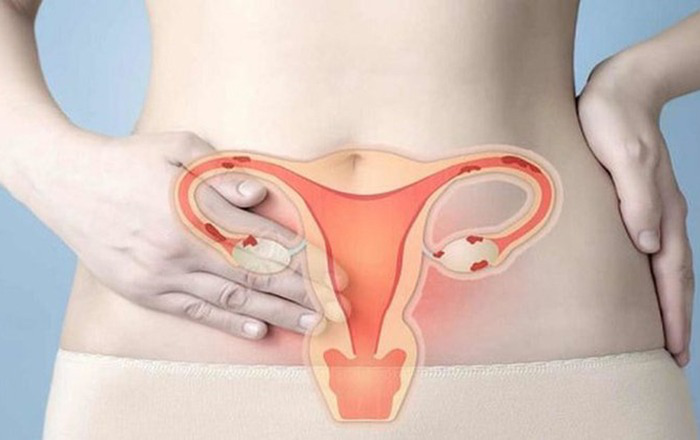
Your fertile window includes the day you ovulate and the five days leading up to it, with the best chances of pregnancy being in the last three days of this window. Tracking symptoms like changes in cervical mucus, increased sex drive, and mild cramps can help you pinpoint when you're ovulating and increase your chances of getting pregnant. Taking care of your health by exercising, eating well, and managing any pre-existing conditions can help prepare your body for a healthy pregnancy.
Evidence-Based Postpartum Confinement: Physical Recovery and Lactation Science
Traditional postpartum confinement often imposed unscientific restrictions such as month-long bath prohibitions, charcoal warming, and severely restricted diets. Modern evidence-based postpartum care focuses on hygienic recovery, nutrient-dense lactation support, and maternal psychological well-being.
1. Personal Hygiene and Wound Healing Protocols
- Warm Showers & Hair Washing: Mothers may take brief 5–10 minute warm showers 48 hours post-vaginal birth or 72–96 hours post-cesarean delivery once the incision dressing is sealed. Clean skin prevents bacterial contamination and supports comfortable breastfeeding.
- Perineal and Incision Care: Use warm water peri-bottle irrigation after each voiding. Pat dry with sterile gauze and change maternity pads every 3–4 hours to prevent endometritis.
2. Optimal Recovery Nutrition and Milk Ejection
- Consume a colorful, diverse diet rich in high-quality proteins (beef, eggs, salmon), complex carbohydrates, and antioxidant-rich fruits.
- Maintain fluid intake of 2.5–3.0 liters of warm water, nutritious broths, and milk daily to fuel breast milk synthesis.
- Practice frequent skin-to-skin contact and on-demand nursing to stimulate natural oxytocin surges and prolactin receptor proliferation.