


12/09/2025
Proper Iron Supplementation: What to Eat for Best Absorption?
During pregnancy, a mother’s iron needs increase to produce extra blood that nourishes both herself and her baby. Iron deficiency can lead to anemia, causing fatigue, dizziness, and even increasing the risk of preterm birth and low birth weight.
According to the World Health Organization (WHO), pregnant women need about 27 mg of iron per day (compared to 18 mg for non-pregnant adult women).
Therefore, proper iron supplementation and combining foods wisely is extremely important.
🍎 Guide: What to Eat for Optimal Iron Absorption
There are two types of iron:
Heme iron (easily absorbed, found in animal foods: beef, poultry, fish…)
Non-heme iron (less easily absorbed, found in plant foods: leafy greens, legumes, grains)
👉 To maximize iron absorption, pregnant moms should combine foods smartly:
1. Foods rich in heme iron (eat regularly)
Red meat (beef, lamb)
Poultry (chicken, turkey)
Fish (salmon, sardines, mackerel)
2. Foods rich in non-heme iron
Dark leafy greens (spinach, kale, broccoli)
Legumes (lentils, soybeans, green beans)
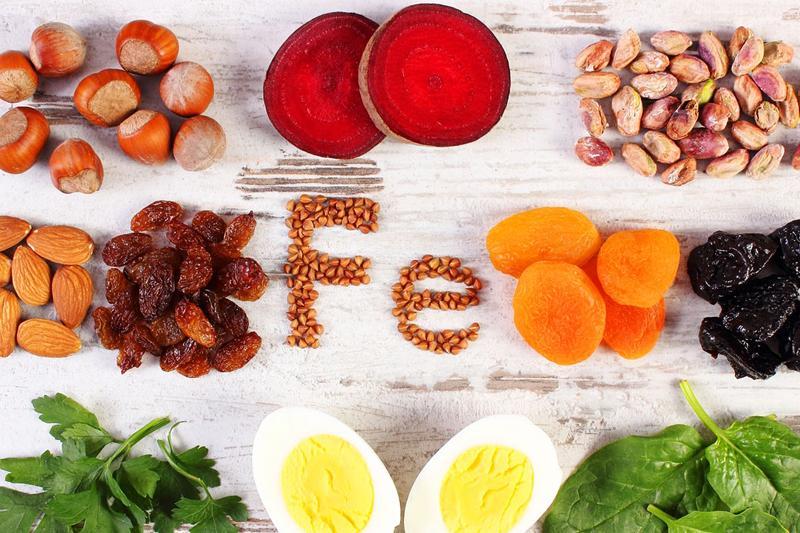
Whole grains and seeds (pumpkin seeds, sunflower seeds)
3. Foods rich in vitamin C – boosts iron absorption
Vitamin C can increase non-heme iron absorption 2–3 times (Cleveland Clinic)
Citrus fruits: oranges, tangerines, lemons
Strawberries, kiwi
Bell peppers, tomatoes
👉 Example meal:
Beef stir-fried with broccoli + a glass of orange juice → combines heme iron + non-heme iron + vitamin C for optimal absorption
⚠️ Safety Notes for Iron Supplementation
Avoid taking iron with milk, coffee, or tea Calcium, caffeine, and tannins can reduce iron absorption (Healthline)
Take iron at least 2 hours apart from these foods/drinks
Do not self-increase dosage
Excess iron may cause constipation, nausea, or even liver damage
Follow your doctor’s prescription (usually 27–30 mg/day during pregnancy, CDC US)
Take iron at the right time
Best taken on an empty stomach or 1 hour before meals
If stomach upset occurs, take after meals, but choose meals low in dairy and calcium
Combine with a varied diet
Don’t rely only on supplements; eat diverse iron-rich foods
A balanced diet helps moms absorb iron while getting other essential vitamins
✅ Conclusion
Iron is a crucial nutrient during pregnancy, supporting maternal health and fetal development. Proper iron supplementation involves not only taking pills but also eating a variety of iron-rich foods, combining them with vitamin C, and avoiding absorption inhibitors.
📌 Pregnant moms should consult their doctor before taking extra iron supplements to avoid excessive intake.
👉 To track scientific nutrition, prenatal check-ups, and weekly fetal development, moms can download the Momlingo App – your companion from week 1 to week 40 of pregnancy.