

15/09/2025
How splitting meals into smaller portions helps pregnant women digest better
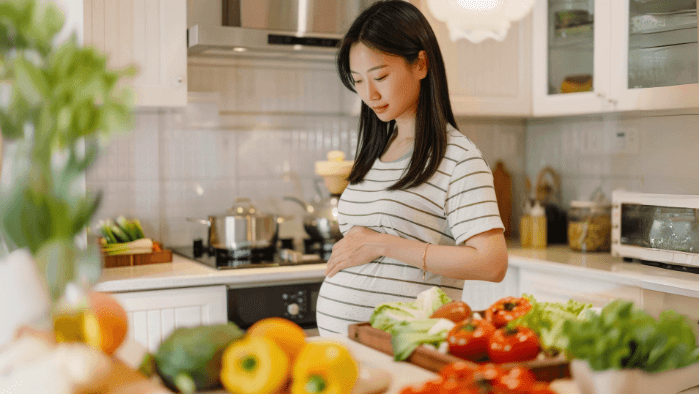
During pregnancy, many women often experience heartburn, bloating, nausea, or indigestion. This happens because pregnancy hormones (progesterone) slow down the digestive process, while the growing uterus puts pressure on the stomach. A simple yet effective solution recommended by nutrition experts is to split meals into smaller portions throughout the day instead of eating too much at once.
According to Cleveland Clinic, eating smaller, more frequent meals not only helps pregnant women digest food more easily but also maintains stable energy levels, reduces nausea, and supports better nutrient absorption.
🍽️ Guide: How to Eat Smaller Meals During Pregnancy
Instead of three main meals (breakfast – lunch – dinner), pregnant women can eat 5–6 meals per day, specifically:
Morning breakfast (7–8 AM):
Oatmeal + low-fat milk + fruit.
Helps kickstart digestion and provides slow-release energy.
Mid-morning snack (10 AM):
Yogurt + walnuts/almonds.
Provides additional calcium, protein, and healthy fats.
Lunch (12–1 PM):
Brown rice + steamed salmon + green vegetables + pumpkin soup.
A balanced meal with protein, carbohydrates, vitamins, and fiber.
Afternoon snack (3–4 PM):
Avocado or banana smoothie.
Helps stabilize blood sugar and reduces afternoon fatigue.
Dinner (6–7 PM):
Chicken porridge + steamed vegetables.
Easy to digest and light for bedtime.
Snack before bed (9 PM):
Warm low-fat milk.
Supports good sleep and provides extra calcium.
👉 This eating pattern helps mothers maintain steady energy, avoids feeling too full or too hungry, and reduces stress on the digestive system.
⚠️ Safety tips for pregnant women
Don’t skip breakfast: It is the most important meal to provide energy for the whole day.
Choose healthy foods: Prioritize whole grains, lean proteins, fresh fruits and vegetables; limit fried and greasy foods.
Avoid eating too late: Have dinner at least 2–3 hours before bedtime to reduce heartburn.
Drink water throughout the day: Take small sips rather than drinking a large amount at once.
Consult your doctor: Especially important for pregnant women with gestational diabetes or digestive issues who may need a specialized diet.
✅ Conclusion
Eating smaller, more frequent meals helps pregnant women digest food more easily, reduce nausea, limit heartburn, and allows the baby to absorb nutrients steadily. This is a simple, practical, and scientific eating habit. A balanced diet combined with light exercise and regular prenatal check-ups is the key to keeping both mother and baby healthy throughout the 9-month pregnancy.