


Sep 15, 2025
How dangerous is high blood pressure during pregnancy?
High blood pressure is one of the common health issues during pregnancy. If not properly monitored and managed, it can lead to serious complications affecting both the mother and the fetus. According to Cleveland Clinic, about 5–10% of pregnant women experience high blood pressure during pregnancy, and it is a leading cause of preeclampsia and preterm birth.
📖 Guide for Pregnant Women
1. Signs of high blood pressure during pregnancy
Blood pressure ≥ 140/90 mmHg after the 20th week of pregnancy (according to the American College of Obstetricians and Gynecologists – ACOG).
Severe headache, dizziness.
Blurred vision or seeing spots.
Unusual swelling in the hands, feet, or face.
Upper abdominal pain (under the right rib).
👉 Note: Many cases show no obvious symptoms and are only detected during check-ups. Therefore, it is important for pregnant women to monitor their blood pressure regularly.
2. Risks of high blood pressure for mother and baby
For the mother: can lead to preeclampsia, eclampsia, stroke, and liver or kidney damage.
For the fetus: increases the risk of intrauterine growth restriction, preterm birth, or even stillbirth.
A study published on PubMed Central (PMC, 2021) found that women with pregnancy-related hypertension have a threefold higher risk of preterm birth compared to those with normal blood pressure.
3. What pregnant women should do to prevent and manage high blood pressure
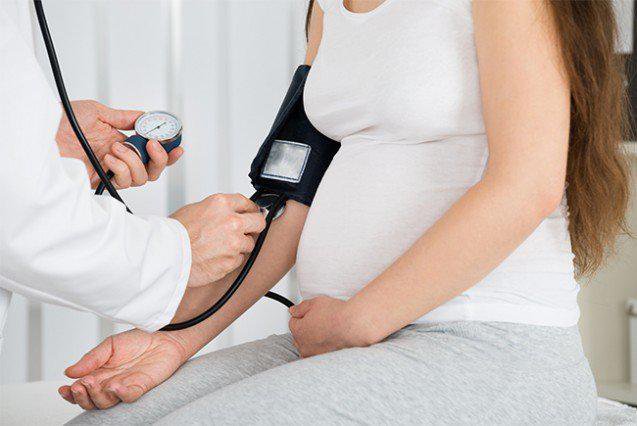
Monitor blood pressure regularly at home or during prenatal visits.
Healthy diet:
Limit salt and salty foods.
Eat plenty of green vegetables, fruits, and whole grains.
Include potassium-rich foods such as bananas, oranges, and sweet potatoes.
Light exercise: walking, prenatal yoga, swimming (as advised by your doctor).
Weight control: excessive weight gain can increase blood pressure.
Stress reduction: get enough sleep, practice deep breathing, listen to relaxing music.
Do not self-medicate: any blood pressure medication must be prescribed by a doctor.
⚠️ Safety notes
If blood pressure ≥ 160/110 mmHg, accompanied by severe headache or vision changes → seek emergency care immediately.
Women with a history of high blood pressure, overweight, diabetes, or twin pregnancy should be monitored more closely.
According to Healthline, pregnant women diagnosed with gestational hypertension are often required to have more frequent check-ups, ultrasounds to monitor fetal growth, and liver and kidney function tests.
✅ Conclusion
High blood pressure during pregnancy is not just a number on a monitor; it is a major risk factor for both mother and baby. Proactively monitoring blood pressure, maintaining a healthy lifestyle, and following your doctor’s instructions are the best ways to ensure a safe pregnancy.